



27 4 月 Amortization vs depreciation: What are the differences?

The depreciation class includes an asset Cash Flow Statement account which appears as an asset in the balance sheet, and therefore it maintains a positive balance. This depreciation class is under assets subject to depreciation, and it shows in the balance sheet as the net depreciable asset together with the depreciation sum account. Even if you do not use the asset, a measure of annual depreciation for that asset will still be recorded for accounting purposes in recognized depreciation tables. Amortization is the process of spreading out a loan into fixed payments over time. Moving from the impact on assets, let’s focus on how usage and salvage value play a part.

What is the definition of amortization in accounting?
Using the straight-line method, the company would amortize $10,000 annually. Accumulate amortization in both accounting and tax might have the same sum of have different sums. This is based on certain factors such as when depreciations are yet to be deducted from tax expense. There is a fundamental difference between amortization and depreciation. If you invested money to get your business started, you may still be able to capture some of those expenses through amortization if you haven’t already.
Amortization vs Depreciation: Impact on Assets
This method is ideal for assets like computers, cell phones, and vehicles that are quickly made obsolete by newer models. ABC Ltd is purchasing a smaller company X that has a net worth of 450 million. But, X enjoys retained earnings a reputation in the niche local market so the purchase consideration was fixed at 500 million. After doing a thorough revaluation, the accountants found the fair value of X assets to be 470 million.

Declining balance
While amortization applies to intangible assets, depreciation is used for tangible assets. Both processes allow businesses to spread out the cost of assets over time, helping them accurately reflect the true value of these assets as they contribute to generating revenue. By carefully considering these concepts, businesses can optimize their financial planning and enhance their overall performance. Amortization in accounting is the process of expensing the cost of intangible assets over their useful life. Amortization periods and methods can vary depending on the type of intangible asset and its expected economic benefit. Unlike amortization which deals with intangible assets like patents or software licenses, depreciation relates primarily to physical goods susceptible to wear-and-tear.
We’ve covered a lot of ground, but as we move on (and begin to wrap up), we touch on the different methods of amortization and depreciation below. This example shows why it’s so important to choose the correct depreciation method for each asset your business owns. After learning about amortization and depreciation, read about the difference between gross profit and net profit and how it affects your business’s bottom line.

Examples of intangible assets are copyrights, patents, software, goodwill, etc. Accordingly, the depreciation method used has a strong impact on the financial result. With amortization vs depreciation the straight line method, the company reduces its net profit evenly. With accelerated accounting, the impact of the cost of purchasing fixed assets is stronger in the early years.
The goal of amortization is to closer align the expense with the income the asset will produce over time. When a business spends money to acquire an asset, this asset could have a useful life beyond the tax year. Such expenses are called capital expenditures and these costs are “recovered” or “written off” over the useful life of the asset. If the asset is intangible; for example, a patent or goodwill; it’s called amortization.
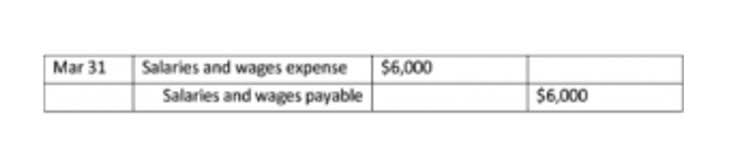
Its value depends on factors like popularity, image, prestige, honesty, fairness, etc. Below is an example of the depreciation and amortization expense for Ford (F), which comes from the company’s 10-Q filing with the SEC. In some instances, depreciation and amortization are intentionally treated as non-cash items on the statement of cash flow. This is because depreciation and amortization do not reflect cash flow — they only reflect the usage of an asset. There are four key differences between depreciation and amortization. This approach is appropriate for fixed assets that lose their value quickly, such as an item of technology that is likely to become obsolete within a short period.
- The methods and formulas for amortization and depreciation differ based on salvage value.
- If you have a rental property, this means that you need to remove the full mortgage payment from your income statement and reflect the interest only.
- Let’s take a moment to discuss depreciation and what it’s used for.
- Fixed assets in New Zealand commercial real estate In New Zealand, the accounting of fixed asset depreciation for commercial real …
- The value of an asset decreases due to a number of reasons including wear and tear or obsolescence.
- Both depreciation and amortization have an impact on a company’s financial statements.
For businesses dealing with intangible assets or loans, amortizing is a common practice. A software development company acquiring intellectual property rights for $50,000 might spread out this cost over five years. Each year $10,000 gets subtracted from the balance sheet as expense due to amortization. A common misunderstanding is that both of these accounting principles apply universally. Amortization in accounting refers to the systematic allocation of the cost of an intangible asset over its useful life. This process helps in reflecting the asset’s consumption, expiration, or decline in value over time.